Best Glamping Tents: Bell Tents, Safari Tents and Wall Tents Compared
Canvas bell tents, safari tents and wall tents each give you space and comfort that ordinary tents can't. Here's how they compare and what to check before you buy.
Updated November 27, 2026 · 2 min read
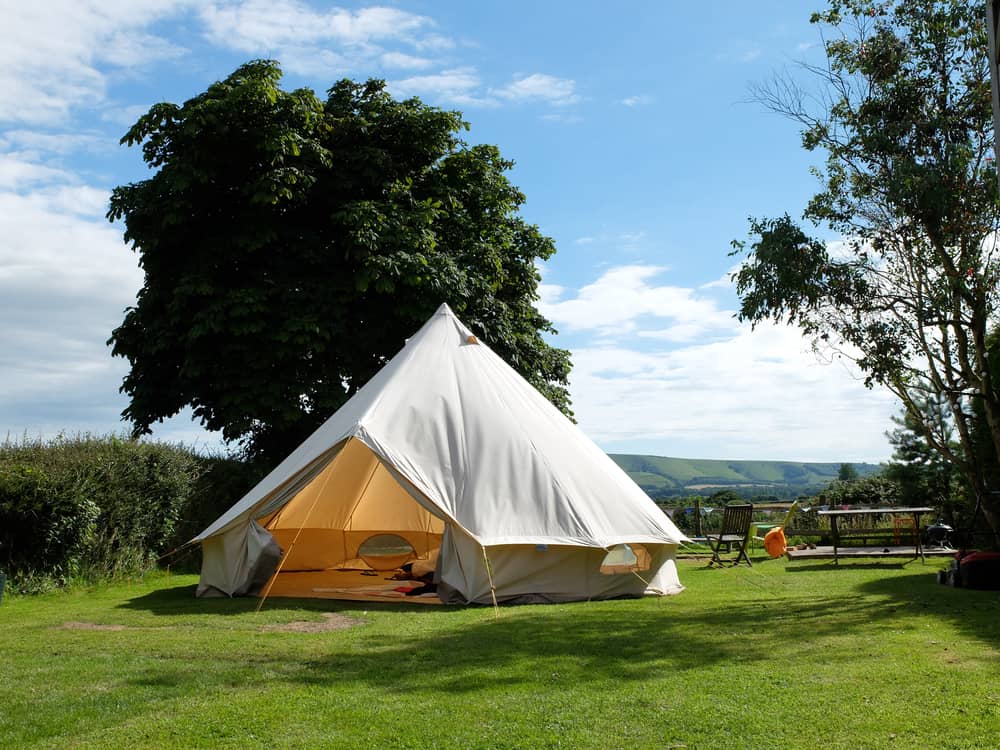
Glamping takes the hassle out of camping without taking away the outdoors. At the heart of most glamping setups is a big canvas tent with room to stand, a real bed and maybe a wood stove. Here's how the main styles compare.
Bell tents
Round tents with a single center pole, an A-frame door and low sidewalls. White Duck Outdoors, Life inTents, and a range of smaller makers such as Vevor and Baralir produce them in sizes from about 3 m to 7 m across.
- Pros: iconic look, quick to pitch with practice, very stable in wind, lots of floor space
- Cons: the center pole sits in the middle of the room, and the low walls limit usable headroom near the edges
Size guide: a 4 m bell suits a couple with a queen bed and furniture; a 5 m fits a family of four; 6 m and larger suit groups or rental businesses.
Safari tents
Rectangular tents with tall walls and a raised roof, often on a timber platform. Many glamping resorts use them.
- Pros: straight walls, plenty of headroom, room for full-size furniture
- Cons: heavy and complex to pitch, usually semi-permanent rather than for weekend trips
Wall tents
Classic canvas cabins with a frame, popular with hunters and outfitters. White Duck's Alpha wall tent and Elk Mountain's tents are well-known examples. They often have a stove jack for a wood stove.
- Pros: very spacious, can be heated, extremely durable
- Cons: heavy, and the frame takes time to set up
Hybrid glamping tents
Some brands, such as Timber Ridge and Wilderness Resource, offer polyester tents with tall cabin shapes. They're lighter and more affordable than canvas but don't breathe as well.
What to check before you buy
| Feature | What to look for |
|---|---|
| Fabric | 100% cotton canvas or poly-cotton; check the weight (heavier is more durable) |
| Treatment | Water-repellent, mildew-resistant and fire-retardant finishes |
| Floor | Zipped-in heavy-duty PVC groundsheet keeps water and bugs out |
| Ventilation | Roof vents, mesh windows and roll-up walls to reduce condensation |
| Stove jack | A fire-resistant port for a wood stove pipe if you'll camp in the cold |
| Poles | Galvanized steel holds up better than thin poles |
| Stakes | Heavy-duty stakes; the included ones are often too light |
Caring for canvas
- Season it. New canvas can leak along seams until it has been soaked and dried once or twice, which swells the fibers. Pitch it and hose it down before your first trip.
- Never store it wet. Mildew sets in fast. Dry it fully at home if you pack up in rain.
- Keep it clean. Brush off dirt and avoid harsh detergents that strip waterproofing.
- Re-proof as needed. Apply a canvas waterproofing treatment every few seasons.
Furnishing tips
- Rugs layered over the groundsheet make a big difference
- A folding bed frame or cot raises you off the cold floor
- Battery lanterns and string lights (never open flames in a tent)
- A small table, chairs and a storage trunk
Interested in a different kind of luxury shelter? Read our guide to glamping domes.
Campers Republic may earn a commission when you buy through links on this site, at no extra cost to you. Learn more.