Best Camping Beds: Cots, Sleeping Pads and Air Mattresses Compared
Cot, self-inflating pad, air pad or air mattress? Here's how each type of camping bed performs for comfort, warmth, packability and price, and which one suits your trips.
Updated November 27, 2026 · 3 min read
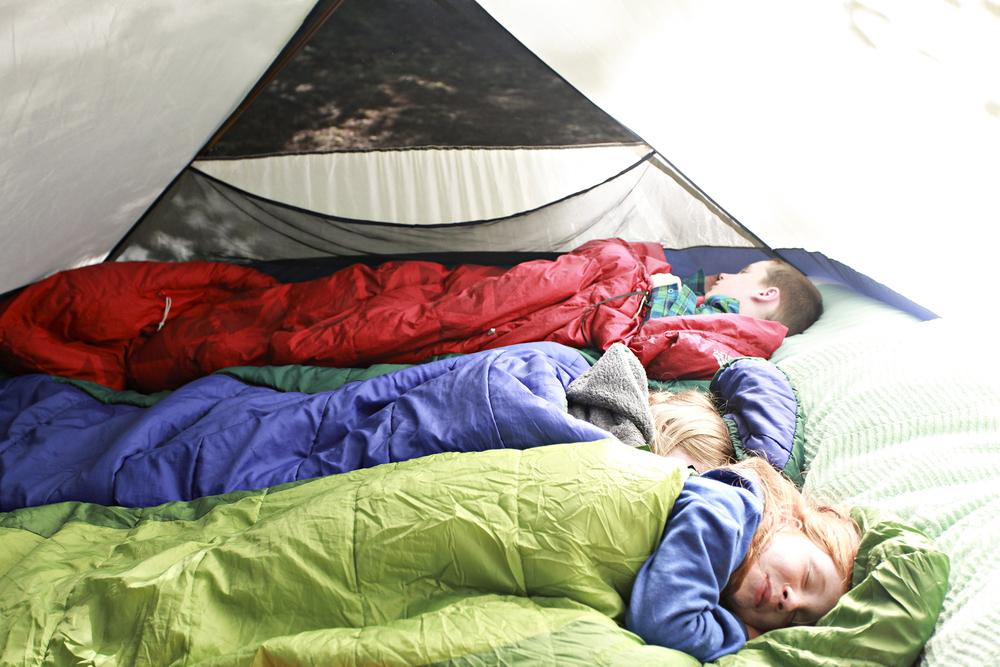
What you sleep on matters more than almost any other piece of camping gear. A good camping bed keeps you off cold, uneven ground and lets you wake up ready for the day. The trouble is that there are four very different kinds, and the right choice depends on how you camp.
The four types at a glance
| Type | Comfort | Warmth | Pack size | Best for |
|---|---|---|---|---|
| Camping cot | High | Low on its own | Large | Car camping, hot weather, bad backs |
| Self-inflating pad | Medium to high | Good | Medium | All-round car and light backpacking |
| Air pad | High | Varies widely | Small | Backpacking, any trip where space matters |
| Air mattress | Very high | Poor | Large, needs pump | Couples car camping in mild weather |
Camping cots
A cot raises you off the ground on a fabric deck stretched over a frame. Brands like Helinox, Coleman, TETON Sports and KingCamp all make well-known models.
Pros: easy to get in and out of, no lumpy ground, space underneath for bags, good airflow on hot nights.
Cons: bulky and heavy, and the air underneath steals heat. On cold nights you'll need a pad on top of the cot.
Look for a wide sleeping surface if you sleep on your side, a weight rating with some margin, and a frame that fits your tent. Some cots are tall enough that they hit sloped tent walls.
Self-inflating pads
These combine open-cell foam with an air chamber. Open the valve and the foam expands, drawing in air. Coleman, Therm-a-Rest, Exped and TETON Sports all make popular options.
Pros: comfortable, insulated by the foam, less prone to total failure if punctured, simple to use.
Cons: heavier and bulkier than air pads, and slow to roll up.
Thicker pads (3 to 4 inches / 7 to 10 cm) are the sweet spot for car camping.
Air pads
Air pads are inflated by mouth or with a pump sack, and many have internal baffles and reflective layers for insulation. Sea to Summit, NEMO, Klymit and Therm-a-Rest are the names you'll see most often.
Pros: the most comfort for the least weight and pack size, and the best ones are very warm.
Cons: can be noisy or bouncy, punctures happen (carry a patch kit), and insulated models cost more.
Check the R-value: anything below about 2 is for summer only, while 4 or more handles shoulder seasons.
Air mattresses
The double-height inflatable bed you might use for house guests. Great comfort, but the large volume of air inside cools down at night and takes your body heat with it. Add an insulated blanket underneath and a pump that works off your car or a power station.
How to choose
- How do you get to camp? If you park next to your site, size and weight hardly matter, so a cot or a thick self-inflating pad is a comfortable choice. If you carry your gear, an air pad is the clear winner.
- How cold does it get? Cots and air mattresses need extra insulation below freezing. Pads with an R-value of 4 or more handle most three-season trips.
- How do you sleep? Side sleepers need more thickness so hips and shoulders don't touch the ground. Restless sleepers often prefer the stability of foam or a cot.
- Who are you sharing with? Double-wide pads and couple-sized cots exist, and they stop two single pads from drifting apart overnight.
Care tips
- Store self-inflating pads unrolled with the valve open, so the foam doesn't lose its spring.
- Inflate air pads with a pump sack rather than your breath where possible, since moisture from breath can build up inside.
- Practice finding and patching a leak at home before you need to do it at camp.
For more ways to get a good night outdoors, read how to sleep better in a tent.
Campers Republic may earn a commission when you buy through links on this site, at no extra cost to you. Learn more.