Best Backpacking Backpacks: How to Choose the Right Pack
Capacity, fit, suspension and features explained, with tips on measuring your torso and packing efficiently so your backpack carries comfortably on multi-day trips.
Updated November 27, 2026 · 2 min read
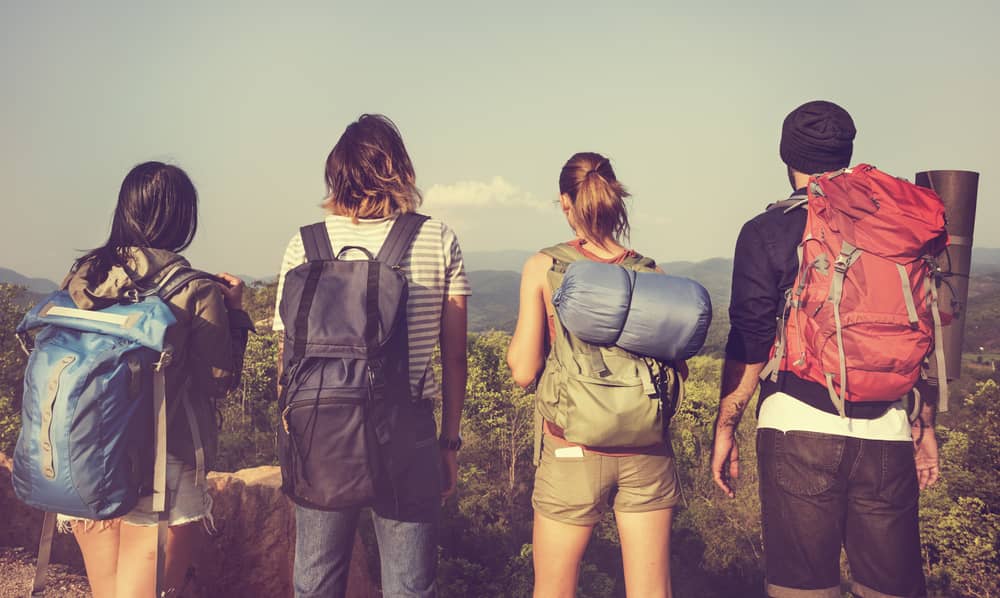
Your backpack is the piece of gear you feel with every step. A well-fitted pack transfers weight to your hips and feels stable on uneven ground, while a poor fit makes even a light load miserable. Here's how to choose.
Capacity by trip length
| Trip | Typical capacity |
|---|---|
| Overnight to two nights | 30 to 50 liters |
| Three to five nights | 50 to 65 liters |
| Five nights or more, winter, or carrying for kids | 65 liters and up |
If your gear is bulky (older sleeping bag, large tent), go bigger. As your gear gets lighter, you can drop down a size.
Fit is everything
Measure your torso
Torso length matters more than your height. Measure from the bony bump at the base of your neck (C7 vertebra) down to the top of your hip bones. Pack sizes are based on this measurement, and many packs have adjustable torso lengths.
Hip belt
About 80% of the load should sit on your hips. The hip belt should wrap around your hip bones with the padding centered on them.
Shoulder straps and load lifters
Shoulder straps should wrap your shoulders without gaps. Load-lifter straps (from the top of the shoulder straps to the pack) should sit at roughly a 45-degree angle.
Women's and men's fits
Many brands offer women's versions with shorter torsos, narrower shoulder straps and differently shaped hip belts. Choose by fit, not by label.
Suspension and frame
- Internal frame packs are the standard. They hug your back for stability.
- Ventilated back panels (such as the suspended mesh on the Osprey Atmos and Exo, or Deuter's Aircontact system) reduce back sweat.
- Frameless packs save weight but only suit very light loads.
Features to look for
- Top lid with pockets, or a simple roll-top
- Large stretch-mesh front pocket for wet gear and layers
- Side water-bottle pockets you can reach while walking
- Hip-belt pockets for snacks and a phone
- Sleeping bag compartment
- Hydration-reservoir sleeve
- Trekking-pole and ice-axe loops
- Rain cover (built-in or separate)
Well-known models
Some of the most widely recommended backpacking packs include the Osprey Atmos AG and Exos, Gregory Focal and Paragon, Deuter Aircontact, Granite Gear Crown and the budget-friendly TETON Sports Scout. Each comes in several sizes, so try them on with weight inside.
How to pack
- Bottom: sleeping bag and camp clothes, which you won't need until night.
- Middle, close to your back: heaviest items, like food, water and the stove.
- Top: rain jacket, insulating layer, first aid kit, water filter.
- Pockets: snacks, map, sunscreen, headlamp.
Keep the load centered and close to your spine to avoid sway.
Adjusting on the trail
Loosen all straps, put the pack on, then tighten in this order: hip belt, shoulder straps, load lifters, sternum strap. Readjust through the day as your shoulders get tired or the terrain changes.
Care tips
Empty and air out the pack after each trip. Clean it with mild soap and lukewarm water, never in a washing machine. Store it uncompressed in a dry place.
Finish your kit with the right footwear in our guide to women's hiking shoes.
Campers Republic may earn a commission when you buy through links on this site, at no extra cost to you. Learn more.