RV Living: 7 Pros and Cons to Weigh Before You Hit the Road
Freedom, lower housing costs and a changing view out the window, but also maintenance, tight quarters and logistics. An honest look at full-time and long-term RV life.
Updated November 27, 2026 · 3 min read
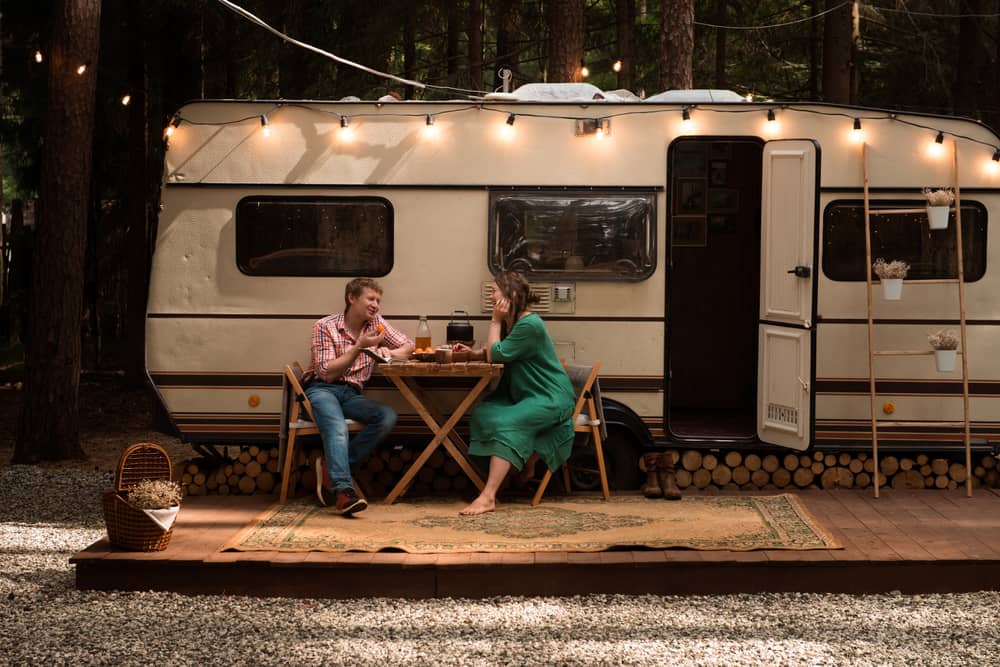
Living in an RV appeals to retirees, remote workers, young families and anyone who's dreamed of waking up somewhere new. It can be wonderful, but it isn't a permanent vacation. Here are seven upsides and seven downsides to weigh honestly.
Types of RV at a glance
| Type | What it is | Good for |
|---|---|---|
| Class A | Bus-style motorhome | Full-timers wanting maximum space |
| Class B (camper van) | Van conversion | Solo travelers and couples, easy parking |
| Class C | Motorhome with an over-cab bunk | Families |
| Travel trailer | Towed behind a truck or SUV | Flexible, leave it at camp and drive the tow vehicle |
| Fifth wheel | Large trailer hitched in a pickup bed | Long stays and spacious living |
The pros
1. Freedom to move
If you don't like the neighbors, the weather or the view, you can move. You can follow good weather through the seasons or stay near family for a few months.
2. Potentially lower living costs
For some people, RV life costs less than a mortgage or rent. Monthly campground rates, volunteer camp hosting and free public land camping can keep costs down. That said, it depends heavily on your rig, fuel and travel pace.
3. Living with less
With limited space, you only keep what you use. Many RVers say this is freeing and cuts spending on things.
4. Time outdoors
National parks, beaches and forests become your backyard. Outdoor activities stop being something you schedule.
5. Community
Full-time RVers have a strong community of rallies, online groups and campground friendships that often last for years.
6. Your home travels with you
Same bed, same kitchen, same coffee mug wherever you go. No packing and unpacking suitcases.
7. A new kind of family time
Families who travel by RV often describe it as the most time they've ever spent together, with the world as a classroom.
The cons
1. Maintenance never stops
RVs combine a house and a vehicle, and both need repairs. Roof seals, slide-outs, plumbing, tires and engines all need attention, and repair shops can have long waits.
2. Tight quarters
Small spaces test any relationship. Rainy days stuck inside can feel long. Consider personal space in your floorplan.
3. Depreciation
Most RVs lose value quickly, unlike a house that might appreciate.
4. Logistics: mail, residency and healthcare
You need a legal domicile for taxes, voter registration and vehicle registration. Health insurance across state lines can be complicated.
5. Finding sites
Popular campgrounds book up months ahead, especially in summer and around holidays. You'll spend time planning where to sleep next.
6. Internet and power
Remote work requires reliable connectivity, which can be patchy. Off-grid camping needs solar, batteries or a generator.
7. Driving and parking a big rig
Large RVs need careful route planning (low bridges, steep grades) and can be stressful to drive and park.
Must-have gear for RV life
- Surge protector for campground power hookups
- Water pressure regulator and a drinking-water hose
- Leveling blocks and wheel chocks
- Sewer hose kit and gloves
- Portable fire pit where open fires are restricted, like the BioLite FirePit
- Outdoor grill, folding table and comfortable camp chairs
- Lantern and plenty of lighting
How to try it before committing
- Rent first. Peer-to-peer rental platforms and dealers rent every kind of RV. Try a week, then a month.
- Do a long trip before selling the house. Give yourself a full season before making a permanent decision.
- Track every expense on your trial trip to get a realistic budget.
If you're leaning toward off-grid camping, read our guide to boondocking gear, and keep our RV camping essentials checklist handy.
Campers Republic may earn a commission when you buy through links on this site, at no extra cost to you. Learn more.